Raccoons do sometimes eat mice and rats, but not in high enough numbers to be an important factor in rodent control. The raccoon is a cute looking animal, with a characteristic patch of black fur that masks both of its eyes and is in turn surrounded by white fur. It is believed that this black fur enhances the mammal’s night vision and its nocturnal activities.
A lot of pet owners however do not consider the raccoon a cute fellow due to previous altercations between their pets and the wild raccoon.
They are basically nocturnal although they do sometimes come out in the daytime to search for food. In freezing weather, raccoons spend a lot of time in their dens in a state called torpor, but never truly hibernate. They are opportunistic feeders and they consume many different kinds of foods, typically adjusting their diets to what is available per time.
NEED LOCAL HELP? We have wildlife removal professionals servicing 95% of the USA. Click here to
hire a local raccoon removal expert in your home town. Updated 2026. But read the below advice first!\
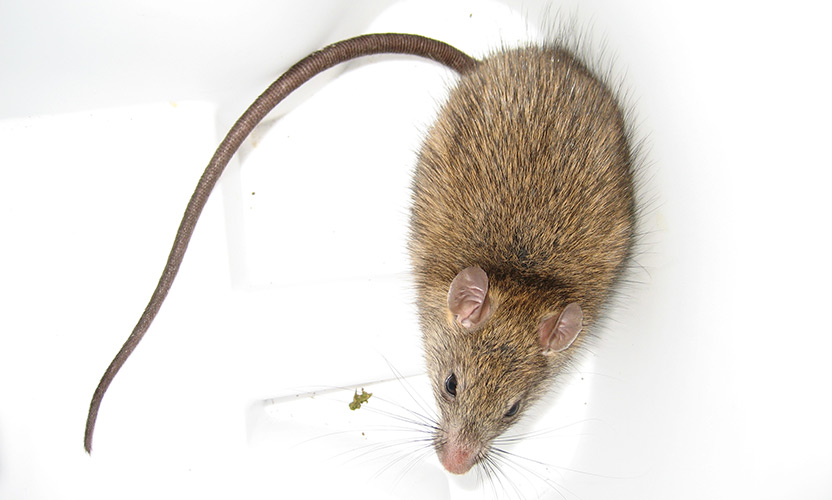
The raccoon is an omnivore and mostly eats fruits, nuts, corn, berries, insects, rodents, frogs, eggs and crayfish. In urban areas, it often forages in trash cans and can be seen examining and ‘washing’ its food in water if there is any nearby. The reason for this may be to soften the food and to remove any foreign object on it.
In urban settings and human environments, raccoons often eat garbage and leftover pet food. Although not great hunters, raccoons would also catch young gophers, squirrels, mice, and rats.
Raccoons that live around human dwellings scavenge for leftover foods; they are popular for opening, scattering, and eating from garbage cans. If the chance presents itself, they would break into tents or houses to steal. They also eat dead animals and carrion makes up an important part of their diets.
It is as a result of deforestation and the advancement of urban development into forest and woodland areas that many animals including rodents have moved from their natural habitats into human-dominated environments. And this trend is still on the increase. Thus, there is a large urban rodent population, which is arguably dominated by rats and mice.
Raccoons are highly adaptable animals because of their opportunistic feeding habit. They can survive anywhere and in every clime, while other animals struggle with food scarcity and starvation.
The advantage that raccoons indirectly proffer to their host communities is that they eliminate most small and bothersome pests. Aside from rats and mice, raccoons catch and eat frogs, insects, squirrels, snakes, and molluscs.
It is therefore common to see urban raccoons scavenge dumpsters, garbage cans, and sometimes even road kill.
To learn more about Do Raccoons Eat Mice Or Rats visit the Raccoons in the Attic home page.